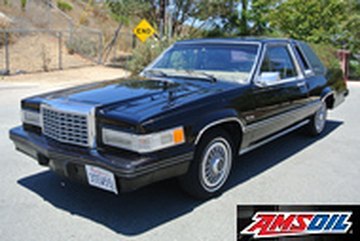
Maintaining Lubrication Integrity for the 1981 Ford THUNDERBIRD 5.0L
Proper engine care for a vehicle of this era requires a focus on consistent monitoring and proactive inspection. For owners of a 1981 Ford THUNDERBIRD equipped with the 5.0L engine, maintaining the lubrication system is a fundamental aspect of long-term mechanical health. Because older engines operate under different thermal and mechanical stresses than modern counterparts, understanding how to observe and respond to changes in fluid condition is essential for effective ownership.Monitoring Fluid Condition and Potential Leaks
A primary component of routine maintenance involves regular visual inspections of the engine bay. When examining the 5.0L engine, look for any signs of fluid seepage or active leakage around various sealing surfaces. While some degree of minor seepage can occur as gaskets and seals age, it is important to distinguish between a dry surface and one that shows evidence of consistent oil presence. If you notice dark staining or wetness on the underside of components or near the engine block, this warrants closer investigation. Additionally, checking the area around the drain plug and the filter mounting surface can help ensure that previous service was performed correctly and that no leaks are developing from those specific points. Observing the ground beneath where the vehicle is parked can also provide a simple way to detect slow, intermittent leaks that might not be immediately obvious during a daytime engine bay inspection.Observing Changes in Lubricant Behavior
Beyond looking for external leaks, an owner should pay close attention to how the engine oil behaves during regular operation. Any sudden changes in the amount of oil required to reach the proper level can be an indicator that something in the system needs attention. If you find yourself needing to add oil more frequently than in previous months, it is a signal to investigate potential causes. Changes in the appearance or smell of the oil can also provide useful information. For example, if the oil appears excessively dark or has a gritty texture, it may indicate that the lubricant is breaking down or that contaminants are present. While many factors can influence the color and consistency of engine oil, staying observant of these shifts allows for more informed decisions regarding service timing. If you notice unusual mechanical noises during startup or while idling, these should be investigated promptly, as they can sometimes be associated with changes in lubrication effectiveness.Prioritizing Maintenance Through Condition-Based Care
As a vehicle ages, the most effective way to manage maintenance is to focus on its current physical condition rather than relying solely on chronological age. For a 1981 Ford THUNDERBIRD, this means establishing a baseline of what "normal" looks like for your specific engine. If you do not have a complete service history, your first priority should be to document the current state of all fluids and visible components. Once a baseline is established, maintenance priorities can be set based on actual findings:- Address active concerns first: If an inspection reveals an active leak or a significant drop in fluid levels, these issues take precedence over general preventive tasks.
- Monitor aging materials: Inspect any visible hoses or belts (if equipped) for signs of cracking, glazing, or fraying. While these may not require immediate replacement, they should be noted for future service.
- Review service records: If available, use previous repair and maintenance logs to identify patterns or to ensure that scheduled tasks have not been overlooked.
- Track fluid consumption: Keeping a simple log of how much oil is added between services can help you distinguish between normal operation and a developing issue.
Managing Long-Term Engine Health
Effective long-term ownership involves more than just reacting to problems; it involves creating a system of consistent oversight. For older vehicles, maintaining detailed records is one of the most valuable tools an owner can possess. Documenting every oil change, filter replacement, and mechanical repair provides a clear picture of the vehicle's history. This documentation is particularly useful if you ever need to diagnose a new issue, as it allows you to see if a symptom is related to a recent service or a long-standing condition. Furthermore, as the vehicle continues to age, the focus may shift toward more frequent inspections of electrical connections and various sensors to ensure they remain clean and secure. Maintaining a clean engine environment can also make it much easier to spot new leaks or issues before they escalate into larger mechanical concerns.Practical Steps for Effective Inspection
When performing your own inspections, it is helpful to have a systematic approach. Rather than a quick glance, take the time to look at specific areas of interest:- Check the oil level regularly: Using the correct dipstick procedure ensures you have an accurate reading of the current fluid volume.
- Inspect the air filtration system: A clean air intake is vital for preventing debris from entering the combustion process and potentially contaminating the engine oil.
- Examine visible connections: Look at wiring harnesses and electrical connectors for signs of corrosion or loose seating, which can affect various engine functions.
Buying Engine Oil for the 1981 Ford THUNDERBIRD 5.0L
When it is time to replenish your engine's lubrication, the most important step is to ensure the product you select matches the specific requirements of your application. Do not rely on general assumptions about what an older vehicle might need; instead, match the engine oil to the application-specific viscosity information already displayed on this page. When shopping for lubricants, consider the following practical tips:- Verify the label: Always check the product packaging to ensure it meets the appropriate API service classifications.
- Evaluate formulations: Depending on your specific needs and the current condition of your engine, you may choose between conventional, synthetic blend, or full synthetic oils. Some high-mileage oil formulations also contain additives intended for use in aging engines, including seal-conditioning additives.
- Check for consistency: Ensure that the oil you purchase is consistent with the viscosity and quality standards identified in your vehicle's application data.